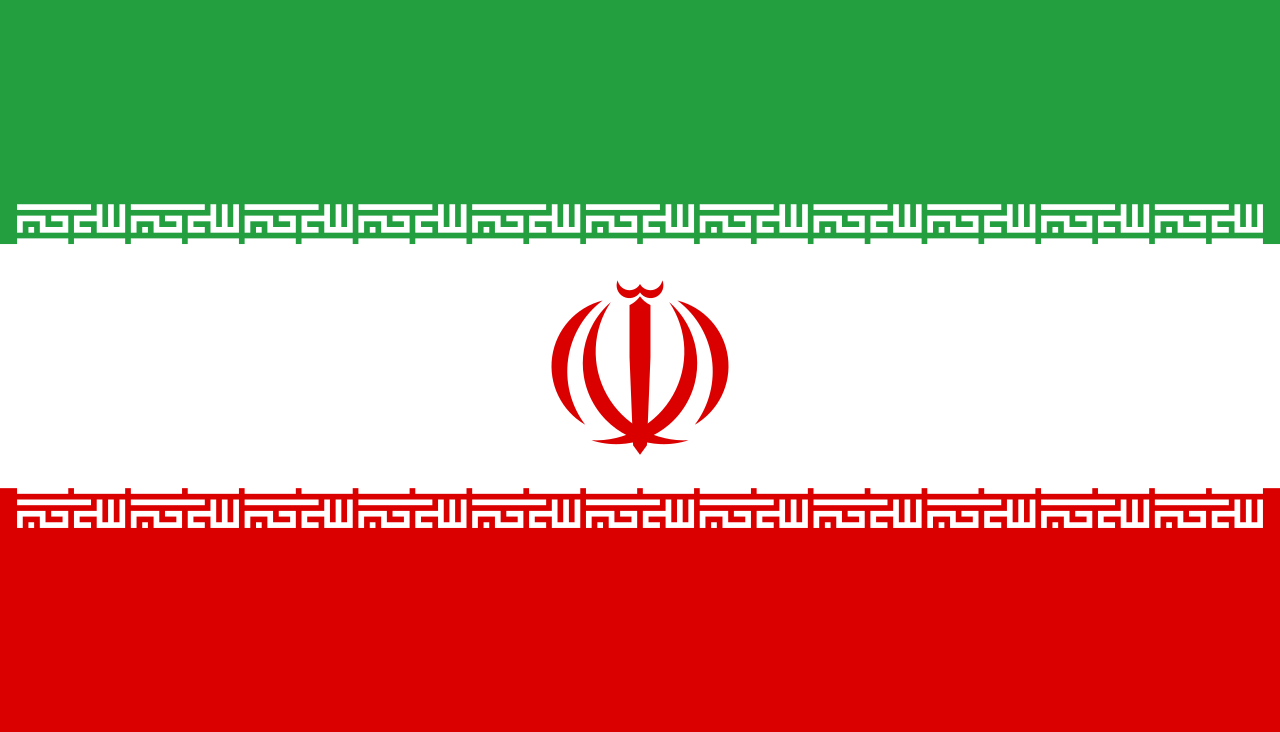
The geopolitical landscape of the Middle East has been irrevocably altered following an unprecedented series of coordinated military actions by the United States and Israel against Iran. Dubbed "Operation Epic Fury" by U.S. forces, these massive strikes have targeted critical Iranian military infrastructure and, most significantly, its top leadership, signalling a dramatic escalation in an already volatile region. The operation, launched over a weekend, represents a forceful response to what Washington and Jerusalem describe as persistent threats and destabilizing actions, intensifying the long-standing tensions that frequently see Iran's posture towards Israel dominate international headlines.
Unpacking "Operation Epic Fury": Scale and Strategic Objectives
"Operation Epic Fury" marks a pivotal moment in the ongoing power struggle in the Middle East, demonstrating a clear intent to dismantle key elements of the Iranian regime's security apparatus. According to statements from U.S. Central Command (CENTCOM) and the Israel Defense Forces (IDF), the scale of this operation is staggering. Within the first 48 hours alone, over 1,250 targets were struck, with the total number quickly nearing 2,000 across more than 130 Iranian cities, as reported by the Iranian Red Crescent Society.
The stated objective from CENTCOM is precise: to target and dismantle elements that pose an imminent threat, prioritizing locations deemed crucial to the Iranian regime's security and offensive capabilities. This includes not only military bases and command centers but also critical components of Iran's ballistic missile program. President Donald Trump, addressing the nation, indicated the operation could last anywhere from four to five weeks, with the potential to extend far longer, underscoring the comprehensive nature of the campaign. This aggressive stance underscores the severe response to Iran's continued provocations and its perceived role in regional instability, which has often manifested in actions mirroring an 'iran attaques israël' dynamic.
The collaborative nature of these strikes, with both American and Israeli forces working in concert, highlights a unified front against a common adversary. This integrated approach leverages sophisticated intelligence and advanced military capabilities to execute a complex, large-scale operation aimed at significantly degrading Iran's capacity to project power and threaten its neighbours.
Decapitating Command: Key Targets and High-Value Losses
The most shocking and strategically impactful outcome of "Operation Epic Fury" has been the targeting and reported killing of Ayatollah Ali Khamenei, Iran's Supreme Leader. Intelligence played a crucial role in this high-stakes operation. Israeli intelligence, closely monitoring Khamenei's routines, discovered he spent considerable time in his above-ground offices rather than his more secure bunker. The CIA, which had tracked the Supreme Leader for months, pinpointed a crucial meeting with other top officials in Tehran on a Saturday, providing the critical window for the strike.
This precision targeting led to a "precise, large-scale operation" by Israeli Air Force jets, according to Israeli officials. The elimination of Khamenei, confirmed by both President Trump and Iranian state television, sends an unequivocal message and creates an unprecedented power vacuum at the apex of Iran's political and religious structure. Beyond the Supreme Leader, President Trump also stated that an additional 49 senior Iranian leaders were killed in the initial waves of strikes, further crippling the regime's command and control capabilities.
Other significant targets include:
- IRGC Headquarters: Both the joint headquarters and the IRGC Aerospace Forces headquarters in Tehran were struck, severely impacting the operational heart of Iran's elite military force.
- Intelligence Headquarters: Targeting these centers aims to disrupt Iran's intelligence gathering and operational planning capabilities.
- IRGC Air Force Command Centers: Strikes against these facilities undermine Iran's aerial defense and offensive potential, including its drone and missile programs.
- Ballistic Missile Program Sites: A direct assault on one of Iran's most threatening military capabilities, aiming to degrade its ability to launch long-range projectiles.
These strikes are designed not just to inflict damage but to fundamentally weaken the Iranian regime's ability to govern and project power, potentially causing internal instability and reshaping the regional balance.
Iran's Retort: The Shadow of the Fattah-2 Hypersonic Missile
Amidst the widespread destruction, Iran has not remained silent. Tehran has claimed a significant retaliatory measure: the deployment of its advanced "Fattah-2" hypersonic missile against U.S.-linked targets and Israel. This assertion, if verified, represents a significant technological and strategic escalation, marking a new chapter in the ongoing Iran-Israel military dynamics.
Hypersonic missiles, capable of traveling at speeds greater than Mach 5 and maneuvering in flight, pose an extraordinary challenge to existing missile defense systems. Iran's military statements frame the Fattah-2 launch as a show of strategic deterrence and technological strength, signaling that despite the extensive damage from "Operation Epic Fury," it retains formidable retaliatory capabilities. While the full extent of damage from these alleged Iranian strikes remains to be independently confirmed, the claim itself underscores the high stakes of this conflict.
Practical Implications of Hypersonic Technology:
- Reduced Reaction Time: Their extreme speed drastically cuts down the time available for detection and interception.
- Evasive Maneuverability: Unlike traditional ballistic missiles that follow predictable trajectories, hypersonic missiles can change course, making them harder to track.
- Strategic Deterrence: Possession of such advanced weaponry can alter regional power balances and compel adversaries to reconsider offensive actions.
The deployment of such a weapon, even if symbolic, elevates the technological dimension of the conflict, demanding renewed focus on advanced defense strategies for all parties involved in the volatile narrative of 'iran attaques israël' and its wider implications.
Geopolitical Fallout and the Path Ahead
The aftermath of "Operation Epic Fury" is set to reverberate across the Middle East and globally. The killing of Ali Khamenei creates a power vacuum that could lead to significant internal struggles within Iran, potentially altering the country's political trajectory. The impact on regional proxy groups, heavily supported by Iran, will also be profound, possibly leading to a period of readjustment or increased aggression as they react to the perceived weakening of their patron.
The immediate future will be characterized by extreme uncertainty. The international community is left to grapple with the potential for further escalation, the stability of global energy markets, and the future of diplomatic efforts to contain Iran's nuclear ambitions. The United States and Israel have clearly demonstrated their resolve to confront what they view as existential threats, setting a new precedent for military engagement in the region.
Understanding the Evolving Landscape:
- Analyze Proxy Network Responses: Observe how groups like Hezbollah, Hamas, and Houthi rebels adapt to a weakened Iranian command structure.
- Monitor Internal Iranian Dynamics: Watch for signs of succession struggles or popular unrest that could further destabilize the regime.
- Assess Global Diplomatic Reactions: Note how major powers like Russia and China respond to this escalation and whether new diplomatic initiatives emerge.
The audacity of these strikes, coupled with Iran's claimed hypersonic response, has propelled the region into uncharted territory. The intricate web of alliances and antagonisms will be tested like never before, shaping the contours of Middle Eastern politics for decades to come.
The sheer scale and targeting precision of "Operation Epic Fury," including the reported elimination of Iran's Supreme Leader, Ayatollah Ali Khamenei, mark an unparalleled escalation in the long-simmering conflict involving Iran, the United States, and Israel. While Tehran attempts to project strength through claims of deploying its advanced Fattah-2 hypersonic missile, the strategic decapitation of its leadership and the severe degradation of its military infrastructure have undoubtedly reshaped the regional power dynamics. As the dust settles, the world watches with bated breath, anticipating the profound and lasting geopolitical fallout from this audacious operation and the continued, complex narrative surrounding Iran's actions and responses. The path ahead is fraught with challenges, demanding careful diplomacy alongside military readiness to navigate this perilous new chapter.